
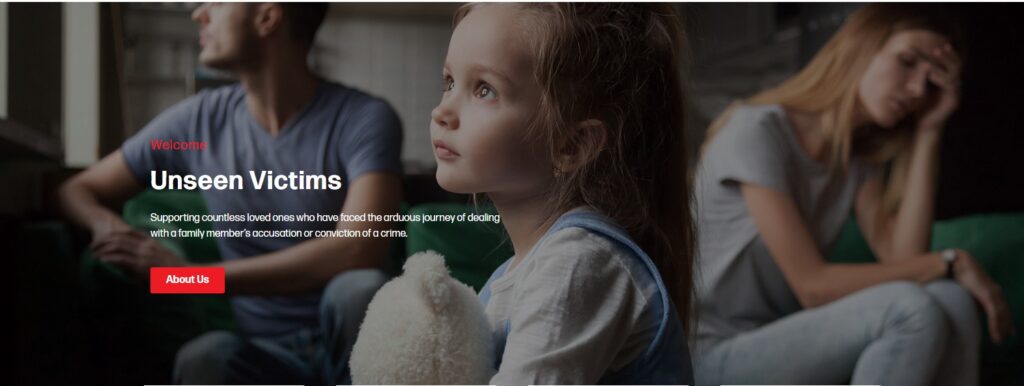
Having supported thousands of individuals through every stage of the criminal justice journey, Unseen Victims CIC believes that families supported through shared LIVED EXPERIANCE are one of the most powerful, yet least recognised, resources available to reduce future reoffending …
HM Inspectorate of Prisons’ Annual Report paints a concerning picture of the challenges facing rehabilitation across our prison system. Rising violence, widespread access to drugs, limited opportunities for education and purposeful activity, and too many prisoners spending long periods locked behind their cell doors all present significant barriers to successful rehabilitation. We welcome the Inspectorate’s continued focus on these issues and the important conversations the report will undoubtedly generate. Annual Report 2025-26 – HM Inspectorate of Prisons
However, whilst reading the report, we were reminded of another part of the rehabilitation journey that too often receives little attention. National conversations about rehabilitation quite rightly focus on the individual serving the sentence, the prison environment and the professionals responsible for delivering rehabilitative interventions. Yet behind every almost every prison sentence is a FAMILY whose own journey began the moment someone they loved was arrested.
At Unseen Victims CIC, we believe those families are one of the criminal justice system’s greatest untapped resources in reducing future reoffending.
What the Report Doesn’t Fully Capture
Rehabilitation is often viewed as something delivered to people in prison. Our experience tells us something different.
Having supported thousands of individuals through every stage of the criminal justice journey, we know that rehabilitation is also shaped by the people waiting outside the prison gates.
From the moment of arrest, partners, parents, grandparents, children and close friends begin navigating a journey of their own. They face uncertainty, stigma, financial pressures and the emotional impact that follows imprisonment, yet many continue doing something remarkable. They continue encouraging someone they love to make better decisions, remain hopeful and believe that life beyond prison can be different.
The role families play in rehabilitation is rarely recognised, yet it is often one of the strongest influences on a person’s ability to rebuild their life.
LIVED EXPERIENCE CHANGES OUTCOMES
Our organisation was founded through shared lived experience and continues to be shaped by it every single day. Through our safe, moderated online communities, we have supported thousands of individuals from the point of arrest through investigation, court proceedings, imprisonment, release and reintegration. This is a woefully underfunded or recognised asset to anyone who is on a journey through the Criminal justice System.
Every conversation contributes to our understanding of the challenges families and those in prison, face. The questions they ask, the fears they share and the successes they celebrate provide insights that cannot be learned from textbooks, policy papers or inspection reports alone. They are built through real people living real experiences every single day.
Shared real lived experience transforms peer support from simple empathy into practical guidance. Families are often more willing to listen to someone who has already walked the same path because they know that advice comes without judgement and is grounded in genuine understanding. That trust creates opportunities to encourage healthier communication, improve decision-making and help families respond positively during some of the most difficult periods of their lives.
This is peer support with purpose. It is not simply about helping families cope with imprisonment. It is about helping them understand the influence they can have throughout a loved one’s sentence and giving them the confidence to become positive partners in rehabilitation.
Families Are Part of the Solution
Families are often described as the hidden victims of imprisonment.
Our experience suggests they are also one of rehabilitation’s greatest untapped strengths.
Every day we see families encouraging loved ones to engage with education, complete vocational qualifications, participate in rehabilitation programmes and rebuild relationships with their children. We also see the difference it makes when families understand how to communicate positively, encourage accountability and support someone preparing for release.
We have also witnessed the consequences when families receive little or no support. Relationships deteriorate, fear replaces hope and opportunities to influence positive change are lost—not because families do not care, but because they have never been shown how important their role can be.
Supporting families is not simply about improving their wellbeing.
It is about strengthening one of the most important protective factors against future offending.
Investing in Lived Experience Is Investing in Rehabilitation
Despite the contribution organisations like Unseen Victims CIC make, lived experience remains one of the least recognised and least sustainably funded parts of the criminal justice landscape.
Every day, our peer-led organisation provides support, advice and guidance that statutory services often cannot. We answer questions families feel unable to ask elsewhere, reduce isolation, challenge stigma and provide practical guidance during some of the most difficult moments people will ever experience. More importantly, we help families understand that they have the potential to influence rehabilitation in positive and meaningful ways.
If reducing reoffending remains a national priority, then investing in lived experience organisations should be recognised for what it truly is:
An investment in rehabilitation.
By strengthening families, we strengthen relationships.
By strengthening relationships, we create more stable environments for people returning home.
By creating more stable environments, we improve the conditions in which rehabilitation can succeed.
The benefits extend far beyond the individual serving a sentence. They reach children, partners, communities and society as a whole.
Looking Beyond the Prison Gates
We welcome HM Inspectorate of Prisons’ Annual Report and the important contribution it makes to improving our prison system.
Our hope is that future conversations about rehabilitation also recognise the people quietly supporting that work every single day.
Behind every prison sentence is a family navigating its own journey.
Behind many successful rehabilitation stories is someone who continued to encourage hope, responsibility and positive change when it mattered most.
At Unseen Victims CIC, we believe those families deserve recognition, meaningful investment and a place at the heart of rehabilitation.
Because families are not simply affected by imprisonment …
They are one of the criminal justice system’s greatest untapped resources for reducing future reoffending.